Author: CHAOSHUO Trading

  • Paying for a mould? Clarify the deliverables before paying the fee

    Trade pitfalls & practical checks

    Paying for a mould? Clarify the deliverables before paying the fee

    Before funding custom tooling, clarify what is being made, how approval works, where it stays and what a future handover would involve. Ask the right questions.

    “Mould fee” can cover very different work. It might mean a new production tool, an adjustment to an existing tool, a prototype fixture or development work bundled with sample making. A buyer who approves only a price can discover later that the expected deliverable was never described.

    An illustrative buyer funds a custom part and assumes the tool can move to another supplier whenever necessary. The manufacturer has priced development for use at its own facility and has not discussed transfer. The problem is an unresolved expectation; this is not a real customer case or a statement about legal ownership.

    Identify the physical and non-physical deliverables

    Ask what the quoted fee actually buys. Is there a physical tool, and how will it be identified? Are drawings, editable design files, sample parts or test records included? Which equipment and production process will use it?

    Keep the tool description separate from the product description. Approving a product drawing does not by itself explain the tool's construction, maintenance needs or compatibility with a different factory. Ask the manufacturer to identify those practical dependencies before you compare offers.

    Agree how a usable result will be approved

    Define the sample quantity, what will be checked and who will approve the outcome. Record which drawing revision the trial relates to and what happens if the sample needs adjustment. Distinguish a correction to agreed requirements from a new feature requested by the buyer.

    • What trial output and records are included?
    • Which measurements or other criteria will be reviewed?
    • How are revisions, additional trials and extra charges approved?
    • What milestone must be reached before the next agreed payment?
    • Who confirms that the tool is ready for the intended production?

    Specialist engineering judgments should come from a competent technical reviewer. A sourcing coordinator should not replace that review with an attractive sample photograph.

    Discuss storage, maintenance and future access

    Ask where the tool will be kept, how it will be labelled and who will arrange routine maintenance. Clarify what happens during a long gap between orders and how the parties will communicate about repair costs or deterioration.

    Also discuss permitted use, confidentiality, access and any proposed transfer process. These are matters to put into the parties' written agreement with suitable legal advice where needed. Paying an invoice alone should not be treated as proof of a particular ownership or enforcement outcome.

    Treat transfer as a practical project

    Even where a transfer is agreed, a receiving factory needs to assess whether the tool works with its equipment. Ask about inspection, dismantling, packaging, transport and any necessary setup or trial run. Record which party would coordinate each step and how costs would be confirmed.

    Keep the tool identifier, approved drawings, trial records and supplier communications together. An orderly file makes a future discussion more concrete than an old message saying “custom mould paid.”

    Where CHAOSHUO can help

    CHAOSHUO can help ask these questions locally, collect the manufacturer's responses and coordinate agreed visits or sample follow-up. Share your intended product and development stage. We can discuss a defined coordination project, while technical acceptance and legal terms remain with the appropriate specialists and contracting parties.

    General purchasing guidance, not a transaction-specific legal, banking, customs or technical opinion. Examples are illustrative. Access, tasks, fees and third-party responsibilities are confirmed for each project.

    Make the next step clearer

    Discuss your China-side trade questions.

    Tell CHAOSHUO what you are buying and which point needs clarification. We will discuss suitable coordination, scope and fees before paid work begins.
  • Pieces, pairs or sets? Fix the unit before you compare the price

    Trade pitfalls & practical checks

    Pieces, pairs or sets? Fix the unit before you compare the price

    Check selling units, pack quantities and carton totals before approving a purchase. A clear unit conversion can prevent an expensive order misunderstanding.

    Two suppliers can quote the same number and still be offering very different amounts of product. One price may be per piece, another per pair and another per inner pack. “One carton” is not a useful comparison until its contents are defined.

    Imagine an illustrative glove enquiry that asks for 1,000 units. The buyer means pairs, while a working spreadsheet counts individual gloves. Neither the attractive unit price nor the final carton count will resolve the ambiguity by itself. This is a purchasing example, not a claim about a CHAOSHUO customer.

    Define the item that can actually be ordered

    Write the selling unit next to the product code on every commercial line. Use descriptions such as “one pair containing two gloves” or “one set containing the listed components.” A set needs a component list, not just a photograph of several items together.

    For assortments, also define the mix. A carton containing several sizes is not interchangeable with a carton of one size unless that is what the buyer approved. State whether colour and size substitutions need permission.

    Build one conversion chain

    Record the relationship between selling unit, inner pack and outer carton. As an arithmetic example, 12 pairs per inner pack and 10 inner packs per carton means 120 pairs per carton. Eight such cartons contain 960 pairs, or 1,920 individual gloves. Those are different counts of the same shipment, not conflicting quantities.

    Use the selling unit for the ordered quantity and price, then show the packaging conversion separately. If there are partial cartons, calculate them explicitly rather than rounding the ordered quantity to the next convenient carton.

    • Ordered quantity and selling unit.
    • Components included in each selling unit.
    • Selling units per inner pack.
    • Inner packs and selling units per outer carton.
    • Full cartons, partial cartons and total selling units.

    Ask the supplier to confirm the chain in writing. Do not rely on a familiar abbreviation having the same meaning in every department.

    Distinguish product quantity from packaging material

    A quotation for empty cartons is not a quotation for packed goods. Similarly, spare parts, promotional pieces and replacement units may sit outside the main sale quantity. List them on separate lines with their own descriptions so warehouse staff know what to count.

    Before shipment, compare the actual packing record against the agreed conversions. A correct number of cartons can still conceal a short quantity if the supplier changed the contents per carton. Photographing the outside of sealed cartons alone does not establish their contents.

    Investigate differences before calling them shortages

    If the numbers disagree, first ask whether the documents use different units, whether mixed cartons were packed or whether some goods are being shipped separately. Keep the original records and request an explained revision. Do not simply change the spreadsheet total until it matches the invoice.

    Once the explanation is clear, the buyer can decide whether to accept a change or request correction. This is more useful than exchanging accusations based on two incompatible counting methods.

    Where CHAOSHUO can help

    CHAOSHUO can coordinate a unit-and-pack confirmation with suppliers and help reconcile the agreed order with available packing records. Where physical counting is needed, the access, method and checking scope must be agreed separately. Contact us with the product and quantity basis so we can discuss practical China-side support.

    General purchasing guidance, not a transaction-specific legal, banking, customs or technical opinion. Examples are illustrative. Access, tasks, fees and third-party responsibilities are confirmed for each project.

    Make the next step clearer

    Discuss your China-side trade questions.

    Tell CHAOSHUO what you are buying and which point needs clarification. We will discuss suitable coordination, scope and fees before paid work begins.

  • Before the truck leaves: what checking and packing records should show

    Before the truck leaves: what checking and packing records should show

    Packing & dispatch

    Before the truck leaves: what checking and packing records should show

    Connect goods, carton labels, packing records and handover details before dispatch. See how agreed warehouse checks and video records can help.

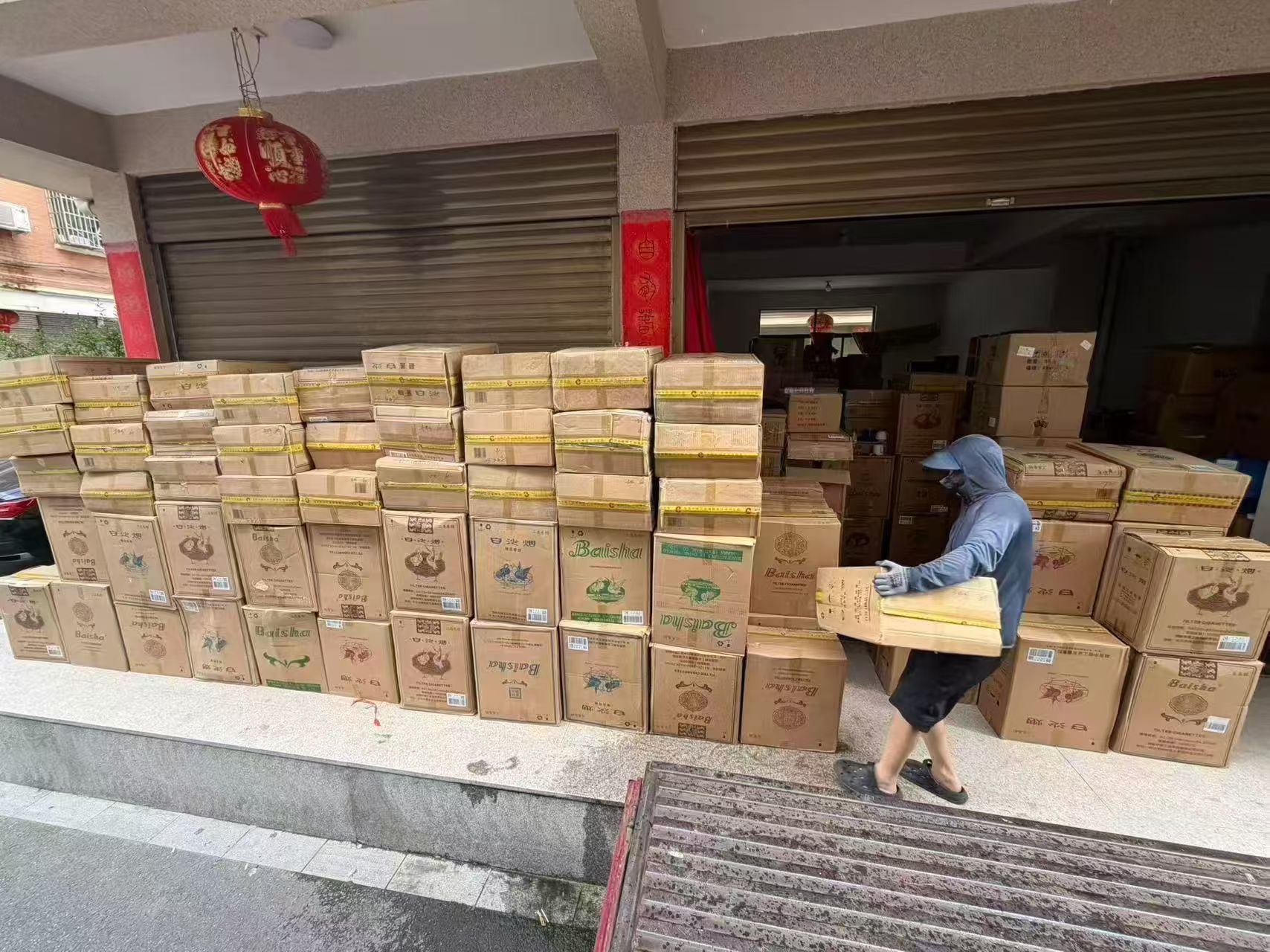
    Packed cartons staged before transport
    CHAOSHUO-supplied cargo photograph; not evidence for the illustrative scenario.

    Illustrative buying scenario—not a completed customer case.

    The supplier sends a photograph of neatly stacked cartons and says the order is ready. From overseas, you cannot tell whether the right items are inside, whether an earlier concern was resolved or how the goods will be protected during handling. You may have a shipping date, but not yet a clear dispatch record.

    The last stage before collection is an opportunity to connect the order, the goods, the packaging and the handover. That connection is more valuable than attractive footage alone. The right records help you understand what was checked and what was sent, without pretending that every later risk disappears.

    Start with identity and quantity

    Match the goods presented for checking to the order and current specification. Identify product variants and carton references so one version is not mistaken for another. Record the quantity received for handling, the quantity examined and the quantity intended for dispatch.

    If the shipment contains mixed products or several suppliers, agree how they will be separated and identified. An overall carton total may be correct while the contents by product are wrong. The record should support the information you need on receipt, not merely show a large pile of cargo.

    Check the agreed details before cartons are closed

    Depending on the scope, routine checks may include visible condition, specified markings, accessible dimensions, quantities and packaging details. Establish the reference and inspection extent first. If a characteristic needs a technical method, arrange that separately rather than assuming it can be assessed during ordinary packing work.

    When damage or a mismatch is found, identify the affected goods and report the issue. Record the instruction for the next step, such as further investigation, a proposed correction or a recheck. A dispatch process should not conceal an unresolved question merely because transport has already been discussed.

    Make the packing instruction fit the shipment

    Ask how the goods are to be grouped, protected and marked for the planned handling and route. The appropriate materials and method depend on the product. Basic packing work is different from designing or certifying specialist packaging for fragile, hazardous or unusually heavy goods.

    Confirm carton quantities, labels, any required internal protection and the treatment of items that could move or contact each other. Where palletization or other additional packing is needed, clarify the arrangement and cost. Packing materials and specialist work should not appear as an unexpected charge after the work is finished.

    What useful video records should explain

    A video is more informative when it shows the relevant process with context. Identify the order, date and goods covered, explain what is being checked and relate the packing sequence to the labelled cartons. For a long assignment, agree how recordings will be organized and delivered so the customer can locate the relevant parts.

    • The goods and order references covered by the recording.
    • The agreed checking steps and any problems identified.
    • The packing method and materials used within the assignment.
    • Carton identification and the final position before handover.
    • Any gaps, restrictions or work outside the recorded scope.

    Video cannot reveal every hidden defect or prove a material’s composition. It also does not document what happens after the agreed recording ends. Agree access, sharing and retention arrangements in advance; a live call should be scheduled rather than assumed to be available at any moment.

    Finish with a clear handover record

    Before collection, check that the relevant packing information, carton identifiers and intended shipment details correspond. Record the handover date and the parties involved within the available scope. If a seal or other identifier forms part of the shipment process, record it where applicable instead of assuming every shipment uses one.

    These records may help clarify later questions, but they do not establish that all damage occurred before or after a particular moment. Insurance, carrier arrangements and responsibility for a loss are separate matters. Preserve accurate observations without turning them into an unsupported guarantee.

    See the agreed warehouse work with CHAOSHUO

    For goods handled at our designated warehouse, CHAOSHUO supervises and video-records the full agreed checking and packing process. We can share the recordings and arrange a video call so you can ask questions before shipment. Identified issues are reported and coordinated with you and the supplier.

    Tell us the product, approximate quantity, destination and the points you want checked. We will discuss receiving conditions, inspection extent, packing requirements, video arrangements and fees before work begins. Routine checks reduce uncertainty; they are not laboratory testing or a guarantee against damage in transit.

    If you already have a factory but need someone to coordinate this final stage in China, you can still contact us. The useful starting point is your actual order and your concerns, not a requirement to replace the supplier you already trust.

    Practical purchasing information, not a product-specific inspection standard, legal opinion or performance guarantee. Scope, access, records and charges are confirmed for each assignment.

    Apply this to your order

    Put your sourcing concerns into a practical plan.

    Share the product, supplier location and the question you need answered. CHAOSHUO will discuss suitable support and fees with you before work begins.

  • Another missed delivery date? Replace daily chasing with a clear follow-up plan

    Another missed delivery date? Replace daily chasing with a clear follow-up plan

    Delivery follow-up

    Another missed delivery date? Replace daily chasing with a clear follow-up plan

    Identify the bottleneck, assign the next action and track a revised production plan. Discuss China-side supplier follow-up without unrealistic promises.

    Port and cargo transport infrastructure
    Illustrative business image; not a photograph of the scenario described below.

    Illustrative buying scenario—not a completed customer case.

    Monday’s reply is “this week.” Thursday’s reply is “a few more days.” You send reminders, but the answers do not explain what is unfinished or what will be different tomorrow. Meanwhile, your own customer wants a date and your shipping plans are becoming harder to manage.

    Frequent contact may be necessary, but the number of messages is not the measure of useful follow-up. A better conversation identifies the bottleneck, the next action, the person responsible and the evidence that will show whether the revised plan is working.

    Establish the actual remaining work

    Ask for an order-specific position rather than a general description of the factory. Which quantities are still being made? Which are awaiting checks, correction, packing or documents? If work is subcontracted, identify whether that stage is affecting the completion date.

    Distinguish a forecast from a confirmed event. “Materials expected tomorrow” is not the same as “materials received.” A proposed date may depend on an input, approval or outside service that is not yet available. Put that dependency in the update rather than presenting the date without its conditions.

    Name the bottleneck and the next responsible action

    Ask the supplier to identify what is currently preventing progress. It may be a production issue, a missing component, an unresolved specification or a packing requirement that was confirmed too late. These are possible explanations to investigate, not assumptions about why a supplier is late.

    Then ask for the action that addresses that obstacle. Who will obtain the missing information or item? When can the result be checked? What happens if it is still unavailable? A revised date is more credible when its supporting actions are visible.

    Build a short follow-up record

    • Original agreed date and the current reported position.
    • Remaining stages and the quantities affected.
    • Unresolved dependencies, with an owner for each action.
    • Revised target dates and the assumptions behind them.
    • The next evidence or update required and its due date.
    • Any buyer decision needed to move the work forward.

    Use a proportionate reporting frequency. Some situations justify daily updates; others need a check at the next meaningful stage. Agree it rather than expecting unlimited real-time access. Written summaries also prevent different contacts from making inconsistent promises to the buyer and the forwarder.

    Compare recovery options with their consequences

    A partial shipment might help one customer but create additional freight, handling or receiving costs. A change in route might save time but cost more. A proposed component substitution might alter the product and require technical review. None should be treated as an automatic solution simply because the original date has slipped.

    Ask for the effect on quantities, quality requirements, cost and timing before approving a change. Do not remove necessary inspection or accept an undocumented specification change just to produce an earlier dispatch date. You need usable goods, not merely a truck leaving the premises.

    Keep factory readiness and shipping readiness separate

    A production completion date is not necessarily a collection date. The goods may still need inspection, packing, labels, a confirmed cargo description or handover arrangements. Share the verified position with the relevant logistics provider so shipment planning uses realistic information.

    For a project involving several suppliers, record which shipment depends on which goods. One missing line may hold up consolidation, while another can be handled separately if you choose. Make the decision deliberately after understanding the added costs and practical constraints.

    Escalate the question, not just the tone

    If the same unresolved point appears in several updates, request a conversation with the person responsible for that stage. A clear agenda is more useful than repeating the whole dispute. Explain the decision you need to make and the information required to make it.

    Where a disagreement involves contractual remedies or a significant dispute, obtain appropriate advice rather than treating a sourcing agent as a legal representative. Practical follow-up can improve information and coordination; it cannot create an entitlement, guarantee compensation or force a supplier to meet a revised date.

    CHAOSHUO can handle agreed local follow-up

    We can discuss calls with the supplier, order-progress summaries, coordination of open questions and separately quoted visits or custom monitoring work in China. Share the product, supplier location, dates and current obstacle, and we can identify what support would be useful.

    Our role is to reduce the communication burden and help you understand the real position. We do not promise that chasing an order makes every factory deliver on time. The assignment, reporting frequency, access and charges are agreed for your project, with important decisions remaining with you.

    Practical purchasing information, not a product-specific inspection standard, legal opinion or performance guarantee. Scope, access, records and charges are confirmed for each assignment.

    Apply this to your order

    Discuss your China-side project.

    Share the product, supplier location and the question you need answered. CHAOSHUO will discuss suitable support and fees with you before work begins.

  • The factory says almost finished. How much is actually complete?

    The factory says almost finished. How much is actually complete?

    Production visibility

    The factory says almost finished. How much is actually complete?

    Ask for order-specific production counts, dated evidence and clear stage definitions so a busy factory video becomes a useful progress update.

    An online business conversation
    Illustrative business image; not a photograph of the scenario described below.

    Illustrative buying scenario—not a completed customer case.

    Your supplier sends a short factory video. Machines are running and workers are moving goods. The message says “almost finished,” but the delivery date is close and you still cannot answer a simple question: how many units from your order are actually ready to ship?

    A busy workshop and an order-specific progress report are different things. What you need is a clear connection between the evidence, the production stage and the quantities in your order. More footage is not necessarily better information if that connection is missing.

    Define what complete means

    One person may call an item complete when machining or assembly ends. Another may mean it has passed inspection. Your forwarder may only care when it is packed, labelled and available for collection. All three statements can describe different stages of the same order.

    Agree the stage definitions before using progress percentages. Ask the supplier to distinguish goods still in production, goods awaiting inspection, goods accepted after checking, goods awaiting packing and goods ready for dispatch. Otherwise, “90% complete” may hide the step that controls the shipping date.

    Ask for a dated snapshot of this order

    A useful update identifies the purchase order, product or variant, reporting date and responsible contact. It separates the quantity ordered from the quantities at different stages. Make clear whether the stage counts are separate groups or cumulative totals, so nobody adds the same units several times.

    • Order and product reference, including variants where relevant.
    • Quantity not yet started and quantity currently in production.
    • Quantity awaiting checks, accepted quantity and any quantity needing correction.
    • Packed quantity and quantity genuinely available for collection.
    • The obstacle affecting the next stage and the next reporting date.

    These are suggested reporting fields, not a universal production system. A made-to-order machine, a mixed consumer-goods shipment and a repeat component order require different levels of detail. Use the structure that helps you make a decision, rather than collecting numbers that nobody can explain.

    Link photographs and video to the reported work

    Ask the supplier to explain what the footage shows and how it relates to the order. Where appropriate and permitted, visible labels, product details or job references can help. A scheduled live call allows follow-up questions, but even a live view may cover only part of the location and part of the work.

    Record whether information was directly observed, provided by the supplier or not verified. A video timestamp alone does not establish ownership of the goods or prove that the whole quantity shown belongs to you. Avoid asking for unrelated confidential information about other customers or employees when order-level evidence would answer your question.

    Reconcile counts before relying on a percentage

    If the supplier reports that all units are assembled but fewer are ready for inspection, ask where the remaining units are and what is required to move them forward. If a packed quantity changes between reports, ask whether the earlier number included goods later reopened for correction.

    A simple comparison between this update and the previous one can reveal a misunderstanding or an unresolved bottleneck. Do not assume a discrepancy proves deception. Give the supplier a chance to explain the basis of the figures and record any correction so later decisions use the same information.

    Turn progress information into a next action

    When a stage is behind, identify what must happen next, who is responsible and when the position will be reviewed. If the remaining work involves outside finishing or a missing packaging item, ask about that dependency specifically. A request to “work faster” does not identify whether the obstacle can be removed.

    A periodic report should show the open question as clearly as the positive news. SGS’s overview of supplier monitoring highlights the role of progress reporting and information about possible delays. Our practical focus is similarly on usable information, while the scope and capability of any particular assignment must be agreed separately.

    Let CHAOSHUO help obtain clearer China-side updates

    We can discuss supplier calls, agreed reporting, video conversations and separately quoted local progress visits. Share the order information, supplier location and what the current updates fail to tell you. We will discuss what can realistically be checked and what evidence can be provided.

    We do not describe one visit as continuous surveillance or a video as proof that every item is complete. You receive the findings and remaining gaps so that decisions about timing, inspection and shipment are based on something more useful than “please do not worry.”

    Practical purchasing information, not a product-specific inspection standard, legal opinion or performance guarantee. Scope, access, records and charges are confirmed for each assignment.

    Apply this to your order

    Discuss your China-side project.

    Share the product, supplier location and the question you need answered. CHAOSHUO will discuss suitable support and fees with you before work begins.

  • How to Monitor a High-Value Order in China: Production Checkpoints That Matter

    How to Monitor a High-Value Order in China: Production Checkpoints That Matter

    High-value projects

    How to Monitor a High-Value Order in China: Production Checkpoints That Matter

    Set evidence checkpoints before irreversible production stages so quality, progress and release decisions are not left until the final inspection.

    Business professionals reviewing information together
    Illustrative business image; not a photograph of the scenario described below.

    Illustrative buying scenario—not a completed customer case.

    The order is important enough that a delay or major correction would affect your wider business. You have agreed to inspect before shipment, so the plan seems covered. But if a fundamental problem is first discovered after production is complete, the remaining choices may be much narrower than they were earlier.

    For a high-value or demanding order, it is worth discussing which decisions should be checked before the final stage. This does not mean every buyer needs somebody permanently stationed in a factory. It means matching the timing and depth of oversight to the actual risks of the project.

    Map the risks before choosing the checkpoints

    The monitoring plan should follow decisions that become expensive or impossible to reverse. Order value matters, but novelty, technical complexity, tooling, custom packaging and a fixed launch date can create equal or greater risk.

    RiskEvidence to request earlyDecision it supports
    Wrong specification versionControlled drawing, approved sample and written revision recordWhether production can start
    Material not ready or substitutedBatch reference, supplier record, certificate or incoming check as relevantWhether material can be released
    Unreported subcontractingActual production location and process responsibilityWhere checks or visits are needed
    Schedule slippingDated output, remaining quantity and realistic capacityWhether recovery action is required
    Packing or marking errorApproved artwork, packed-unit proof and carton measurementsWhether packing can continue or goods can ship

    Look beyond order value alone

    A large value deserves attention, but value is not the only factor. Consider whether the product is new, whether the supplier has produced the same specification before, how difficult a correction would be and whether a missed date would disrupt another commitment. Product safety and technical complexity may require specialist input regardless of the purchase amount.

    List the questions that could materially change your decision. If a question can be answered by a document review or a scheduled call, an immediate visit may add little. If the issue requires measurement, observation or testing at a particular stage, identify that need before the stage has passed.

    Before production: confirm readiness and the agreed reference

    A useful early checkpoint may cover the current specification, approved sample, material readiness, necessary tools and the production plan. Clarify which operations will occur at the supplier’s premises and which will be handled elsewhere. Confirm who reports a change and who must approve it.

    Do not confuse a planned start with a confirmed start. Ask what evidence will show that the order has entered production. If a critical input is unavailable, the schedule should reflect that dependency rather than showing every activity as if it can proceed normally.

    During production: answer the questions that cannot wait

    Depending on the order, an intermediate checkpoint may be useful for reviewing early output, checking whether the agreed method is being followed or understanding the remaining workload. Timing should follow the production process, not an arbitrary percentage copied from another product.

    Different assignments need different people. A general progress visit can document observed activity and discuss obstacles; a technical inspection requires the relevant competence and a defined inspection scope. If laboratory evidence is needed, a video of a workshop is not a substitute.

    Before dispatch: connect the finished goods to the release decision

    Earlier monitoring does not remove the need to check the final position. Confirm which goods are complete, which have been checked, whether any issues remain and whether packing and documents correspond to the shipment. Keep corrected items identifiable until the required follow-up has been completed.

    Agree who receives the report and who can authorize the next step. The report should distinguish observations, supplier statements and items outside the assignment. A useful checkpoint creates a decision; it should not merely generate photographs while the order moves forward regardless of the findings.

    Put the monitoring assignment in writing

    • The product, order and questions the assignment must address.
    • Locations, access arrangements and any restrictions.
    • Checkpoints, visit frequency and expected reporting dates.
    • Inspection methods, professional input and required records.
    • How urgent issues reach you and who decides what happens next.
    • Fees, travel, additional visits and other separately charged work.

    SGS describes supplier monitoring in terms that include progress information, reporting and identifying potential delays. That is useful background for planning questions; it does not mean CHAOSHUO provides SGS services, qualifications or guarantees.

    What local support can—and cannot—change

    A China-side coordinator can help obtain information, arrange access and follow up agreed actions. The coordinator cannot create production capacity that is unavailable, authorize changes you have not approved or guarantee the factory’s performance. Define whether you need occasional checks, scheduled visits or a more intensive assignment; do not use “supervision” as an undefined promise.

    For particularly technical or safety-sensitive goods, discuss qualified independent support alongside the commercial coordination. Clear boundaries protect the buyer from paying for a visit that cannot answer the question that matters.

    Discuss your order checkpoints with CHAOSHUO

    Tell us the product, supplier location, intended delivery date and the decisions you need evidence for. We can discuss a tailored project for supplier communication, progress visits and coordination with suitable inspection providers where needed.

    Factory visits, ongoing on-site attendance and specialist work are not automatically included in the standard sourcing agency fee. We agree the assignment and charges separately. The goal is timely, usable information and practical follow-up—not a blanket promise that every high-value order will arrive on time without defects.

    Practical purchasing information, not a product-specific inspection standard, legal opinion or performance guarantee. Scope, access, records and charges are confirmed for each assignment.

    About the editorial team

    CHAOSHUO Trading Editorial Team prepares practical guidance from China-side sourcing, trade coordination, shipment support and local market work. We distinguish routine commercial coordination from professional testing, certification, financial and legal advice.

    Apply this to your order

    Discuss your China-side project.

    Share the product, supplier location and the question you need answered. CHAOSHUO will discuss suitable support and fees with you before work begins.

  • Repeat-Order Quality Control in China: A Practical Batch-by-Batch Routine

    Repeat-Order Quality Control in China: A Practical Batch-by-Batch Routine

    Repeat-order checks

    Repeat-Order Quality Control in China: A Practical Batch-by-Batch Routine

    Use current specifications, agreed inspection scope, clear batch records and decision owners to reduce repeat-order surprises without treating a trusted supplier as an adversary.

    A discussion about project requirements
    Illustrative business image; not a photograph of the scenario described below.

    Illustrative buying scenario—not a completed customer case.

    You have bought from the same supplier for years. People know one another, quotations move quickly, and nobody wants every repeat order to feel like starting again. Then one unexpected batch problem raises an uncomfortable question: should familiar suppliers still be checked?

    Trust and a repeatable checking routine can work together. The purpose is not to accuse a supplier before anything goes wrong. It is to agree how each order will be identified, which requirements will be checked and what happens when the result needs a decision.

    Why quality can change even with the same supplier

    A familiar company name does not mean every batch is produced with identical inputs and conditions. Repeat-order control starts by identifying which variables could change and which evidence would reveal that change before dispatch.

    Possible changeWhat to confirmUseful evidence
    Raw material or component sourceApproved grade, composition, brand or batch referencePurchase or batch records, certificates where relevant, incoming checks
    Production line, tooling or work teamWhether the approved process and equipment are being usedLive video, dated production photographs, first-piece record
    Process settings or workmanshipCritical dimensions, finish, assembly and functional pointsMeasurements, approved limit samples, in-process records
    SubcontractingWhich steps or quantities are produced elsewhereNamed production location, scope confirmation, access for checks
    Packaging and markingCurrent artwork, carton strength, quantity and shipping marksPackaging proof, packed-unit photographs, carton measurements

    Keep one current order checklist

    Start with the requirements that affect use, resale and handling. A checklist should reference the current specification and sample, not an old order that happens to look similar. Include packing and marking requirements as well as the goods themselves. Identify any characteristic that requires a specialist method rather than a visual observation.

    For every item on the checklist, state the reference, the method and the expected record. “Check quality” leaves too much room for interpretation. “Compare the carton marking with the approved artwork version” is a clearer task, provided the correct artwork is available to the person checking.

    Agree inspection extent before the goods are ready

    Will every unit be examined for a specific characteristic, or will a sample be selected? Which cartons and batches are included? Who selects the items? These decisions affect what a report can reasonably establish. A few photographs chosen by the supplier do not automatically amount to an agreed sampling inspection.

    ASQ explains that sampling uses part of a product lot to draw conclusions about that lot. It is different from examining every unit, and its design matters. Do not turn a passed sample check into a claim that every item is free of defects. Product-specific sampling plans and technical acceptance criteria should be defined with suitable expertise.

    Decide how findings will be classified and handled

    Not every observation has the same consequence. An incorrect safety-related feature, a missing label and a minor cosmetic concern require different evaluation. Agree the relevant requirements and decision process rather than inventing a universal tolerance for unrelated products.

    The person checking should record what was observed, not quietly decide to accept a deviation on the buyer’s behalf. Identify who can approve a change, request rework or authorize dispatch. If the buyer accepts an exception, keep that decision linked to the affected order and quantity.

    A practical record for every batch

    • Order, specification version, supplier and batch or carton references.
    • Receiving or checking date, location and quantity available.
    • Quantity examined and the agreed inspection method.
    • Findings with clear photographs, measurements where applicable and limitations.
    • Open issues, assigned actions and the buyer’s decision.
    • Any recheck results and the final dispatch instruction.

    Keep the record short enough to use. A long report is not automatically a useful report if the unresolved issue is buried. The buyer should be able to see whether anything needs a decision before shipment and what information is still missing.

    Five checkpoints to copy into a repeat-order plan

    1. Before the purchase order: freeze the specification, approved sample, artwork and packaging version.
    2. Before mass production: confirm material, production location, subcontracting and first-piece expectations.
    3. During production: review progress and the critical characteristics that cannot be corrected at the end.
    4. Before packing and dispatch: check agreed product points, quantity, packaging, markings and shipment documents.
    5. After any correction: define the recheck scope and obtain the buyer’s written release decision.

    Make rechecks part of the routine

    If goods are corrected or repacked, record which items were affected and what was checked afterward. A new photograph of one carton does not establish that every required correction was completed. Agree whether the original inspection scope needs repeating or whether a targeted recheck is appropriate.

    Review recurring findings across orders. Repeated packing damage, marking errors or dimensional concerns may require a change in the supplier’s process rather than another instruction to inspect more carefully. This is where batch records become useful for improvement, not just a file kept after dispatch.

    What CHAOSHUO can coordinate

    For goods handled at our designated warehouse, we can discuss an agreed routine checking scope, basic packing support and video records of the work. We can communicate identified issues to you and the supplier and follow up the agreed next step. The checklist and inspection extent are confirmed before the assignment.

    Professional inspections, factory visits and specialized testing are separately quoted. Routine agency support is not certification and does not guarantee the absence of hidden defects. You can review the agency-fee scope before discussing the support your order needs.

    If your repeat orders depend mainly on habit and reassuring messages, send us your product requirements and the points you want checked consistently. CHAOSHUO can help you turn those concerns into a practical China-side workflow, with a clear record and a defined route for decisions.

    Practical purchasing information, not a product-specific inspection standard, legal opinion or performance guarantee. Scope, access, records and charges are confirmed for each assignment.

    About the editorial team

    CHAOSHUO Trading Editorial Team prepares practical guidance from China-side sourcing, trade coordination, shipment support and local market work. We distinguish routine checking and coordination from professional testing, certification and legal advice.

    Apply this to your order

    Put your sourcing concerns into a practical plan.

    Share the product, supplier location and the question you need answered. CHAOSHUO will discuss suitable support and fees with you before work begins.

  • Same supplier, different results: why quality can change between batches

    Same supplier, different results: why quality can change between batches

    Batch consistency

    Same supplier, different results: why quality can change between batches

    Investigate changing materials, processes and specifications without guessing. Build a batch comparison your supplier can act on.

    People reviewing business information in a meeting
    Illustrative business image; not a photograph of the scenario described below.

    Illustrative buying scenario—not a completed customer case.

    Your first order sold well. The second was acceptable. On the third, customers begin reporting differences: a finish is inconsistent, assembly takes longer, or packaging no longer protects the item as expected. The supplier has the same name, and the order description looks unchanged. Why are the results different?

    There may be several possible explanations. Changing materials, tools, production settings, subcontractors or instructions can all be worth investigating, depending on the product. None should be presented as the cause without evidence. A useful response starts by comparing batches in a way that both sides can understand.

    First establish whether you are comparing the same requirement

    Find the specification and approved sample used for each order. Check whether there were changes to size, finish, packaging or acceptable appearance. A small commercial amendment may have introduced a production change that was never carried into the inspection brief.

    Also compare your own inspection method. Were different people checking the goods under different lighting, with different measuring tools or against different reference samples? Before concluding that production changed, make sure the comparison itself is consistent. Record uncertainty where the earlier batch was not examined in the same way.

    Keep batch identity attached to the evidence

    If goods from several deliveries are mixed, it becomes harder to connect a problem to its source. Preserve order numbers, supplier batch references and carton markings where available. Keep a small, clearly identified record of the relevant observations rather than a folder of images with no explanation.

    Separate the number received, the number checked and the number found with a particular issue. A statement that “this batch is worse” may reflect a real concern, but it does not help the supplier locate the change. Describe the issue and where it appears in the material examined.

    Investigate changes without starting with an accusation

    Ask what changed between the accepted batch and the affected one. The supplier may need to check purchasing records, production instructions or subcontracted work. Ask for the explanation and supporting information, not simply an assurance that the next batch will be better.

    • Were the material or component source and specification unchanged?
    • Was the same process used, with any changes to tools or settings?
    • Did any production or finishing stage move to another site?
    • Were packing materials, methods or carton quantities revised?
    • What checks were performed, and what records are available for each batch?

    These are investigation prompts, not a diagnosis. For a material or performance question, a routine visual comparison may be insufficient. Qualified testing may be needed to establish whether a meaningful difference exists and what caused it.

    Ask for a correction that can be checked

    A response such as “we will pay more attention” does not define an action. Ask what will be changed, who is responsible and how the result will be evaluated. If the supplier proposes new packing, request the revised packing instruction. If it proposes sorting or rework, establish which goods are included and how they will be rechecked.

    Separate handling of the current goods from prevention in the next order. You may need a practical decision about affected stock now, as well as a longer-term production response. Document any unresolved issue before using another order as the only way to keep the relationship moving.

    Do not make inspection carry the whole burden

    A batch check can identify problems in what is examined; it does not automatically explain their origin. ASQ notes that sampling can identify defects without establishing where or when they arose. The production process and the supplier’s corrective work still matter.

    For future orders, agree how changes will be reported, which records will be retained and what inspection is appropriate. A stable routine is more useful than alternating between complete trust and emergency checking only after a complaint. The level of technical control should match the product and its risks.

    Use CHAOSHUO for the coordination that is difficult from overseas

    We can help organize batch comparisons, request supplier explanations, follow up agreed actions and coordinate routine warehouse checks within a defined scope. If the investigation needs a site visit, formal inspection or laboratory work, those tasks are discussed and quoted separately.

    Send us the product type, order history and the difference you have observed. We can discuss a practical next step without automatically telling you to abandon a long-term supplier. Our role is to help make the issue and the response clearer—not to promise identical results from every batch or claim a cause we have not verified.

    Practical purchasing information, not a product-specific inspection standard, legal opinion or performance guarantee. Scope, access, records and charges are confirmed for each assignment.

    Apply this to your order

    Put your sourcing concerns into a practical plan.

    Share the product, supplier location and the question you need answered. CHAOSHUO will discuss suitable support and fees with you before work begins.

  • Everyone online says they are a factory. Who will actually make your order?

    Everyone online says they are a factory. Who will actually make your order?

    Supplier verification

    Everyone online says they are a factory. Who will actually make your order?

    Connect a supplier listing to a business, production location and order-specific capabilities before you decide who should manufacture your goods.

    Promotional business imagery supplied for draft review
    Illustrative business image; not a photograph of the scenario described below.

    Illustrative buying scenario—not a completed customer case.

    The website has production photographs, a long product catalogue and the words “direct manufacturer.” The salesperson replies quickly and says the factory can make your design. Yet you still do not know which business will sign the order, where production will happen or whether the equipment in the photographs is relevant to your goods.

    A polished listing is an introduction, not the complete answer. The practical task is to connect the online claim to a business, a location and the capabilities needed for your particular order. This is more useful than deciding that every intermediary is bad or every factory is automatically suitable.

    Start with the parties to your proposed transaction

    Ask for the supplier’s Chinese legal name and relevant business information. Compare the company identified in the quotation with the proposed contracting party and payment recipient. Differences may have legitimate explanations, such as an export arrangement, but they should be explained rather than left for you to discover after payment.

    A registration record can help establish information about a business. It does not, by itself, demonstrate product quality, ownership of equipment or the capacity available for your order. Keep company checks and production checks as related but separate questions. The U.S. International Trade Administration’s due-diligence guidance likewise treats investigation of a prospective partner as an important part of a business decision.

    Ask where your product will actually be made

    A supplier may manufacture some products and source others. It may also subcontract a particular finishing or packaging stage. The presence of outside work is not automatically a problem; undisclosed or poorly controlled outside work is a question to investigate.

    Ask which stages are carried out at the proposed site, which take place elsewhere and who is responsible for checking the results. Confirm whether the location shown in a video is the location intended for your order. A warehouse full of finished goods and a production workshop answer different questions.

    Make capability questions specific to the order

    “How big is your factory?” is less useful than asking how the supplier would produce your specification. Discuss the relevant process, materials, tools, checks and realistic timing. If special testing or certification is needed, establish the applicable evidence and arrange qualified review rather than assuming a general certificate covers your product.

    • Which operations are necessary for this specification?
    • Which of those operations can be demonstrated at the proposed site?
    • What preparation or tooling is needed before the order can start?
    • What production work is subcontracted, and how is it checked?
    • What evidence remains unavailable or needs specialist verification?

    A supplier’s willingness to discuss these questions is useful context, but a persuasive answer is still a claim until supported. Avoid treating years of operation, a large building or a broad catalogue as a substitute for order-specific evidence.

    Use a call or visit to close defined information gaps

    A scheduled video walkthrough can help you ask follow-up questions in real time. An agreed visit may allow a closer look at relevant areas and a discussion with the people responsible for your project. Prepare the questions first; otherwise, a visit can produce many photographs without resolving the reason you arranged it.

    Document the date, location, permitted access and what was actually observed. A room full of machines does not prove ownership or future availability. A refusal to show a restricted area should be recorded and discussed, not automatically presented as proof of fraud. A normal visit is also not a complete technical or financial audit.

    Use the findings to make a decision, not just a report

    Sort the findings into confirmed information, supplier statements and unresolved questions. Decide which gaps matter before an order, which can be addressed through a sample or specialist inspection, and which make the supplier unsuitable for your needs. You may still choose a transparent trading partner if its service and supply arrangement fit the project.

    The objective is not to collect an impressive folder. It is to understand who is responsible for your goods and whether the available evidence supports the next commercial step.

    Ask CHAOSHUO to investigate the questions you cannot answer online

    Share the supplier information, product requirements and the specific claims you want clarified. We can discuss public-background research, supplier communication and separately quoted local visits or custom tasks. If the question needs a professional audit or technical test, we will discuss the appropriate additional support rather than relabel a general visit.

    Our advantage is practical coordination in China and clearer reporting back to you. It is not an unconditional guarantee that a supplier is genuine, financially sound or capable of meeting every future order.

    Practical purchasing information, not a product-specific inspection standard, legal opinion or performance guarantee. Scope, access, records and charges are confirmed for each assignment.

    Apply this to your order

    Discuss your China-side project.

    Share the product, supplier location and the question you need answered. CHAOSHUO will discuss suitable support and fees with you before work begins.

  • China Sourcing Costs: Factory Price, Hidden Charges and Transparent Agency Fees

    China Sourcing Costs: Factory Price, Hidden Charges and Transparent Agency Fees

    Costs & transparency

    China Sourcing Costs: Factory Price, Hidden Charges and Transparent Agency Fees

    Compare landed-cost assumptions and service fees on the same basis before a low factory quote turns into a weak margin after packing, freight, rework and coordination.

    Professionals discussing research and analysis
    Illustrative business image; not a photograph of the scenario described below.

    Illustrative buying scenario—not a completed customer case.

    Two suppliers quote the same-looking product. One offers a lower unit price, so the choice appears easy. Later, export packing is added, the shipment occupies more space than expected, and a product issue creates sorting work. By the time the goods are ready to sell, the margin looks very different from the spreadsheet you used to place the order.

    The useful question is not simply whether someone is a middleman. It is whether you understand what each party supplies, what they charge and which costs remain outside the quotation. A clear service fee can be easier to evaluate than a low headline price with unclear inclusions.

    Separate the factory quote from the landed-cost assumptions

    A transparent comparison does not force every uncertain cost into one attractive total. It separates confirmed amounts, working estimates and items that the buyer must confirm with a freight, customs, tax or insurance specialist.

    Cost layerTypical questionStatus to record
    Goods, tooling and samplesDoes the quote match the current specification and quantity?Supplier-confirmed
    Packaging and China-side handlingAre export cartons, labels, pallets and consolidation included?Confirmed or separately quoted
    Inspection and project supportWhat checking, visits or coordination are included in the agreed scope?Service scope
    International freight and insuranceWhich route, dimensions, weight, validity and responsibility apply?Time-sensitive estimate
    Destination duties, taxes and clearanceWhat does the importer need to confirm for the product and country?Buyer or licensed adviser confirmation

    CHAOSHUO’s two sourcing-fee stages

    1. US$59 initial sourcing service: one sourcing project, one product category and one confirmed specification, within the scope shown on the pricing page.
    2. 3% order agency fee, minimum US$200: applies when the customer proceeds with the corresponding managed order; the eligible US$59 payment is credited once toward that agency fee.
    3. Custom or third-party work: factory visits, professional testing, specialist inspection, travel and other work outside the stated scope are quoted before they begin.

    Compare like with like before comparing prices

    Make sure quotations use the same product specification, quantity, packing requirements and delivery basis. One supplier may include retail packaging while another assumes bulk cartons. A price for a different material or a different minimum quantity is not a genuine alternative until those differences are understood.

    Ask the supplier to identify what is included and excluded. Keep the currency and quotation validity visible. If a requirement changes, obtain an updated quotation rather than continuing to compare the old price with a new specification. This is basic purchasing clarity, not an attempt to negotiate every supplier down to the same number.

    Build a cost picture beyond the product line

    A useful comparison separates known charges from estimates and unresolved items. Avoid presenting a provisional freight figure as a guaranteed total. Where a cost depends on carton dimensions, route or timing, record the assumption and when it will be confirmed.

    • Goods and any separately priced tooling, samples or packaging materials.
    • Agency or coordination fees, with the calculation basis stated.
    • Transport and handling charges included in the agreed shipment arrangement.
    • Inspection, visits, insurance or other services requested separately.
    • Destination costs and product-specific obligations that need confirmation with the appropriate provider.

    Potential rework and delays are not always predictable charges, but they belong in your decision. A supplier with a slightly higher comparable price may be worth considering if it better meets your requirements. Equally, an expensive quotation is not proof of stronger quality. Compare the evidence behind both offers.

    Separate a useful intermediary from an undisclosed margin

    A trading company may provide consolidation, communication or access to suppliers that would otherwise be difficult to manage. Those activities can have value. The concern is when you cannot understand the service model or compare the amount charged with the work performed.

    Ask whether your counterpart is selling goods at its own resale price or acting as your agent for a disclosed fee. These are different arrangements. Do not assume a company is providing open-book purchasing simply because it uses the word “sourcing.” Agree what cost information will be provided before you commit.

    How CHAOSHUO explains its agency fee

    For our sourcing agency arrangement, our earnings come from the disclosed agency fee, not a hidden markup added to the factory price. Goods, freight and other agreed external costs are identified separately. We help compare suitable options, while you make the final supplier decision.

    The order agency fee is 3% of the agreed combined goods value and freight charges, with a minimum of US$200. The US$59 initial sourcing fee is credited once toward the corresponding order agency fee. For example, US$10,000 in goods plus US$2,000 in freight gives a US$360 agency fee; after the US$59 credit, US$301 remains. See our pricing and scope page for the existing arrangements and separately charged work.

    Choose the payment arrangement deliberately

    Where available, you may pay the factory directly. You can also discuss an agreed agency collection and supplier-payment arrangement with us, including where a suitable factory cannot receive your overseas payment directly. Availability, receiving party, currency and transfer charges must be confirmed for the project.

    This is not a promise of escrow, payment protection or a particular financial outcome. Do not make a payment merely because a method appears in a website article. Use the written project instructions and clarify any discrepancy before proceeding.

    Send us the quotation you cannot confidently compare

    If you have two offers with different inclusions, or an attractive factory price but no clear route to shipment, tell CHAOSHUO what is missing. We can discuss quotation clarification, supplier comparison and China-side coordination within an agreed scope.

    We do not promise the lowest price in China or a fixed increase in your profit. We offer a more transparent basis for deciding what to buy, who to buy it from and which support is worth paying for.

    Practical purchasing information, not a product-specific inspection standard, legal opinion or performance guarantee. Scope, access, records and charges are confirmed for each assignment.

    About the editorial team

    CHAOSHUO Trading Editorial Team prepares practical guidance from China-side sourcing, trade coordination, shipment support and local market work. We distinguish routine commercial coordination from professional testing, certification, financial and legal advice.

    Apply this to your order

    Put your sourcing concerns into a practical plan.

    Share the product, supplier location and the question you need answered. CHAOSHUO will discuss suitable support and fees with you before work begins.