Before the truck leaves: what checking and packing records should show
Connect goods, carton labels, packing records and handover details before dispatch. See how agreed warehouse checks and video records can help.
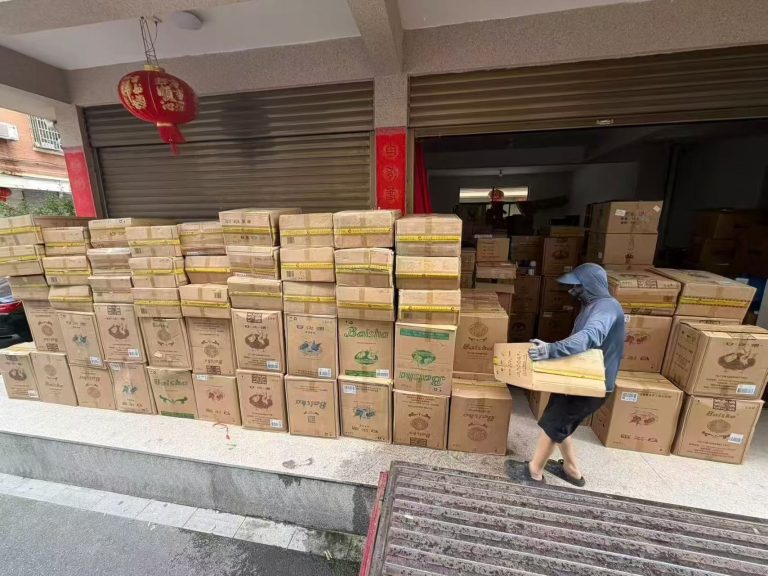
Illustrative buying scenario—not a completed customer case.
The supplier sends a photograph of neatly stacked cartons and says the order is ready. From overseas, you cannot tell whether the right items are inside, whether an earlier concern was resolved or how the goods will be protected during handling. You may have a shipping date, but not yet a clear dispatch record.
The last stage before collection is an opportunity to connect the order, the goods, the packaging and the handover. That connection is more valuable than attractive footage alone. The right records help you understand what was checked and what was sent, without pretending that every later risk disappears.
Start with identity and quantity
Match the goods presented for checking to the order and current specification. Identify product variants and carton references so one version is not mistaken for another. Record the quantity received for handling, the quantity examined and the quantity intended for dispatch.
If the shipment contains mixed products or several suppliers, agree how they will be separated and identified. An overall carton total may be correct while the contents by product are wrong. The record should support the information you need on receipt, not merely show a large pile of cargo.
Check the agreed details before cartons are closed
Depending on the scope, routine checks may include visible condition, specified markings, accessible dimensions, quantities and packaging details. Establish the reference and inspection extent first. If a characteristic needs a technical method, arrange that separately rather than assuming it can be assessed during ordinary packing work.
When damage or a mismatch is found, identify the affected goods and report the issue. Record the instruction for the next step, such as further investigation, a proposed correction or a recheck. A dispatch process should not conceal an unresolved question merely because transport has already been discussed.
Make the packing instruction fit the shipment
Ask how the goods are to be grouped, protected and marked for the planned handling and route. The appropriate materials and method depend on the product. Basic packing work is different from designing or certifying specialist packaging for fragile, hazardous or unusually heavy goods.
Confirm carton quantities, labels, any required internal protection and the treatment of items that could move or contact each other. Where palletization or other additional packing is needed, clarify the arrangement and cost. Packing materials and specialist work should not appear as an unexpected charge after the work is finished.
What useful video records should explain
A video is more informative when it shows the relevant process with context. Identify the order, date and goods covered, explain what is being checked and relate the packing sequence to the labelled cartons. For a long assignment, agree how recordings will be organized and delivered so the customer can locate the relevant parts.
- The goods and order references covered by the recording.
- The agreed checking steps and any problems identified.
- The packing method and materials used within the assignment.
- Carton identification and the final position before handover.
- Any gaps, restrictions or work outside the recorded scope.
Video cannot reveal every hidden defect or prove a material’s composition. It also does not document what happens after the agreed recording ends. Agree access, sharing and retention arrangements in advance; a live call should be scheduled rather than assumed to be available at any moment.
Finish with a clear handover record
Before collection, check that the relevant packing information, carton identifiers and intended shipment details correspond. Record the handover date and the parties involved within the available scope. If a seal or other identifier forms part of the shipment process, record it where applicable instead of assuming every shipment uses one.
These records may help clarify later questions, but they do not establish that all damage occurred before or after a particular moment. Insurance, carrier arrangements and responsibility for a loss are separate matters. Preserve accurate observations without turning them into an unsupported guarantee.
See the agreed warehouse work with CHAOSHUO
For goods handled at our designated warehouse, CHAOSHUO supervises and video-records the full agreed checking and packing process. We can share the recordings and arrange a video call so you can ask questions before shipment. Identified issues are reported and coordinated with you and the supplier.
Tell us the product, approximate quantity, destination and the points you want checked. We will discuss receiving conditions, inspection extent, packing requirements, video arrangements and fees before work begins. Routine checks reduce uncertainty; they are not laboratory testing or a guarantee against damage in transit.
If you already have a factory but need someone to coordinate this final stage in China, you can still contact us. The useful starting point is your actual order and your concerns, not a requirement to replace the supplier you already trust.
Practical purchasing information, not a product-specific inspection standard, legal opinion or performance guarantee. Scope, access, records and charges are confirmed for each assignment.
Put your sourcing concerns into a practical plan.
Share the product, supplier location and the question you need answered. CHAOSHUO will discuss suitable support and fees with you before work begins.