
Author: CHAOSHUO Trading

  • The sample looked right. Why does the bulk order look different?

    The sample looked right. Why does the bulk order look different?

    Samples & specifications

    The sample looked right. Why does the bulk order look different?

    Turn an approved sample into a clearer bulk-order brief with version control, measurable checks and agreed handling of supplier changes.

    Business discussion with documents at a table
    Illustrative business image; not a photograph of the scenario described below.

    Illustrative buying scenario—not a completed customer case.

    You approved a sample after checking its appearance and trying it in your business. The price was accepted and the order placed. Weeks later, the cartons arrive, but the goods feel different. A part fits less comfortably, the surface is not quite the same, or the retail packaging no longer resembles the version you approved.

    The supplier replies that the product is “the same.” You are looking at different details. This is where an approved sample needs to be connected to a written production brief and an agreed inspection method. A sample helps communication; by itself, it may leave important requirements open to interpretation.

    Identify exactly which sample was approved

    During development, buyers and factories may exchange several versions. One has the right shape, another the preferred finish, and a third the final label. If the order only says “as sample,” people may be working from different reference points. Record a sample identifier, approval date and the features accepted or still awaiting changes.

    Where practical, retain clearly identified reference samples with both parties. Add photographs that explain the approved details, but recognize their limits: lighting affects apparent colour, and a photograph cannot establish material properties or performance. If a characteristic matters to use or resale, define how it will be checked.

    Turn preferences into usable instructions

    “Strong,” “premium” and “good finish” can mean different things to different people. Translate important expectations into specifications, reference standards where appropriate, or a clearly agreed comparison method. The right level of detail depends on the product; a generic checklist should not replace technical input for a specialized item.

    • Product model, dimensions and applicable tolerances.
    • Material or construction requirements and the evidence needed to verify them.
    • Appearance criteria, markings and approved reference samples.
    • Unit packaging, carton quantities, labels and handling requirements.
    • Any performance testing, documentation or professional inspection to be arranged separately.

    Keep one current specification version. If you change a requirement in a message, update the controlled brief and obtain confirmation. Do not leave the factory to assemble the final instructions from an old quotation, a photograph and several later voice messages.

    Ask how the sample relates to production

    A development sample may be made with different tools, materials or methods from the intended production run. That does not automatically indicate dishonesty, but the difference needs to be understood. Ask whether the sample represents the planned production method and whether any features will change when the order moves into volume manufacturing.

    For a relevant project, an early production sample or a checkpoint before the full run may help resolve questions while changes are still possible. The timing, access and inspection work must be agreed. Not every order requires the same process, and a production sample is not evidence that every subsequent item will be identical.

    Make substitutions a discussion, not a surprise

    Clarify what should happen if a required material, component or packaging item is unavailable. Ask the supplier to report the proposed change, explain its effect and obtain your decision before using it for the order. A lower price or faster completion is not automatically a reason to accept a different specification.

    Useful change records identify the affected quantity and which version applies. Without that detail, an approved change for part of an order can become confusion across the whole shipment. Keep the original requirement and the accepted revision together so the final check has a clear basis.

    Check the bulk goods against the same reference

    Before shipment, identify which goods will be checked, the inspection extent and what the report should show. A routine visual check can address observable condition and agreed details, but cannot establish hidden material or functional characteristics. Sampling also does not mean every item has been examined; the inspection plan needs to fit the decision you are making.

    If a mismatch appears, describe it against the agreed reference and ask for a proposed correction. Record whether affected goods are awaiting rework, a replacement component or your decision. Avoid treating a fresh photograph of one corrected item as proof that the whole batch has been corrected.

    Bring your approved sample and your concerns to CHAOSHUO

    We can help organize supplier discussions, compare available quotation and sample information, and coordinate agreed checks at our designated warehouse. Share your confirmed requirements and the points you cannot afford to leave unclear. We can discuss video records and the appropriate next step before dispatch.

    Laboratory work, professional inspection and factory visits are separate assignments, not automatic inclusions in routine agency support. The aim is a clearer connection between what you approved and what is shipped, with responsibilities and fees agreed before work begins.

    Practical purchasing information, not a product-specific inspection standard, legal opinion or performance guarantee. Scope, access, records and charges are confirmed for each assignment.

    Apply this to your order

    Put your sourcing concerns into a practical plan.

    Share the product, supplier location and the question you need answered. CHAOSHUO will discuss suitable support and fees with you before work begins.
  • Quality problems after delivery: what to do now and before your next order

    Quality problems after delivery: what to do now and before your next order

    After-delivery problems

    Quality problems after delivery: what to do now and before your next order

    Received damaged or incorrect goods from China? Organize the evidence, discuss the next steps and plan clearer checks before your next shipment.

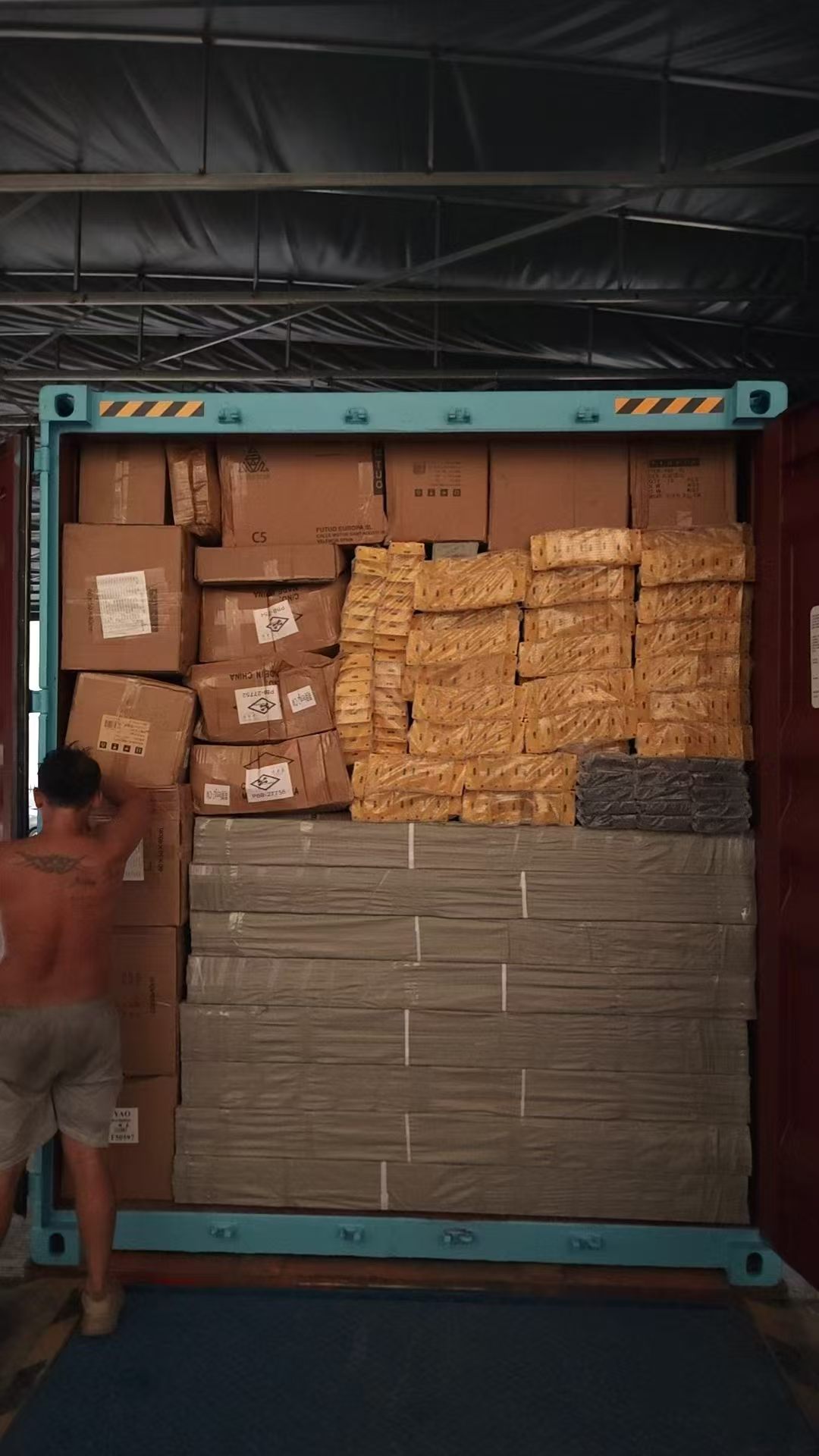
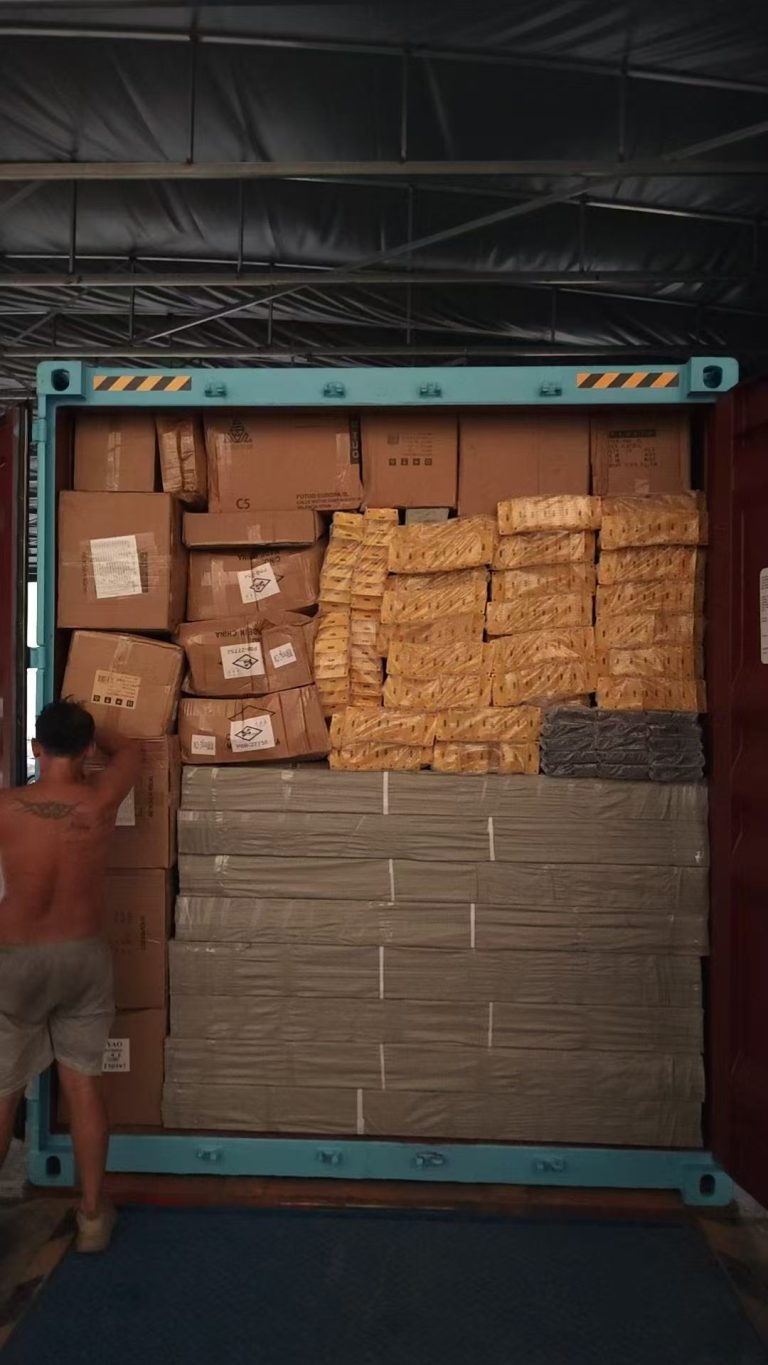
    Mixed cargo inside a loaded container
    CHAOSHUO-supplied cargo photograph; not evidence for the illustrative scenario.

    Illustrative buying scenario—not a completed customer case.

    The shipment has arrived. Your customer is waiting, your warehouse has made space, and you expect to start selling. Then the first cartons are opened: some items are damaged, a finish looks different, or the quantity does not match the packing list. Suddenly, buying becomes a problem of sorting, documenting and getting answers across time zones.

    The first useful question is not simply who is to blame. It is what can be established now, which goods are affected, and what evidence the supplier needs to discuss a practical response. A clear record is more useful than a long exchange of frustrated messages.

    Separate the affected goods and preserve the details

    Where safe and practical, keep suspect goods apart from stock ready for sale. Do not mix cartons from different deliveries before recording their labels. Photograph the unopened packaging, the outside condition and the problem items. Retain relevant packaging while the issue is being reviewed, especially where damage may be connected with handling or packing.

    If the problem could affect product safety, avoid using or selling the affected goods until an appropriately qualified person has assessed the situation. Ordinary photographs cannot establish whether an electrical, structural or chemical safety requirement has been met.

    Describe the mismatch against an agreed requirement

    Find the order confirmation, specification version, approved sample reference and packing instructions. Replace “the quality is bad” with a description another person can check: which dimension, finish, marking, quantity or visible condition differs from what was agreed? Record the method used to check it. A measurement taken differently at each end can create an argument without identifying the actual problem.

    Distinguish the number of items examined from the number received. If you opened two cartons, do not describe the whole shipment as checked. Record both the problems found and the limits of what you know. Further checking may be needed before estimating the affected quantity.

    Send one organized issue summary

    A supplier can respond more precisely when the order, evidence and requested action are in one place. Use a short issue sheet rather than scattering photographs across several conversations. This also makes it easier to involve a China-side coordinator without asking you to repeat the whole history.

    • Order number, product and delivery date.
    • Carton or batch identification and quantities received and examined.
    • The agreed requirement and the observed difference.
    • Clear photographs or video, with an explanation of what each shows.
    • The response you need: investigation, a discussion of rework, replacement or another proposed remedy.

    Contact the relevant supplier and logistics parties promptly and check the applicable notice requirements in your agreements. Do not assume that a supplier discussion automatically replaces a separate carrier or insurance notification. We cannot promise that any particular loss will be recoverable.

    Compare practical responses before committing to one

    A replacement may sound straightforward but still require production time and another shipment. Local rework may be quicker for some problems but unsuitable for others. Sorting may identify saleable items, yet it needs a defined method and someone responsible for the results. Ask who will arrange each step, the expected timing and how additional costs will be handled.

    Keep decisions in writing. A promise to “fix it next time” does not tell you what happens to the goods already received. Nor should the next order proceed on unchanged instructions if the current issue shows that an important requirement was never clearly agreed.

    Move useful checks earlier in the next order

    The lesson is not that every problem can be prevented. It is that some visible mismatches, quantity issues and packing concerns can be identified before the goods travel overseas. Agree which checks are useful, where they will happen and what evidence you want to receive before dispatch. Specialist performance or material questions require suitable testing, not just a video call.

    How CHAOSHUO can help

    CHAOSHUO Trading can discuss supplier communication and issue coordination in China, subject to an agreed project scope. For future shipments handled at our designated warehouse, we can arrange agreed routine checks and video records of checking and packing. Identified problems are reported so you and the supplier can decide the next step before dispatch.

    Send us the product type, the issue you have observed and the information you already hold. We will discuss whether local coordination, a warehouse check or separately quoted specialist support is the useful next step. Our role is practical assistance—not a guaranteed refund, compensation service or substitute for technical advice.

    Practical purchasing information, not a product-specific inspection standard, legal opinion or performance guarantee. Scope, access, records and charges are confirmed for each assignment.

    Apply this to your order

    Put your sourcing concerns into a practical plan.

    Share the product, supplier location and the question you need answered. CHAOSHUO will discuss suitable support and fees with you before work begins.

  • What a factory visit can—and cannot—tell you

    On-the-ground checks

    What a factory visit can—and cannot—tell you

    A visit can answer practical questions that a listing leaves open. Its value depends on preparation, evidence and a clear understanding of its limits.

    A supplier’s website can introduce its products. A visit can add a different view: the premises shown on the day, the people available to discuss your questions and the activities you are permitted to observe. These are useful observations, but they should not be turned into a blanket assurance that every commercial or quality risk has been removed.

    Decide what you need to check

    Before planning travel, define the purpose. Do you need a product discussion, a look at the packing area, clarification of production steps or a meeting about an existing order? Agree the address, access, questions, expected records and costs in advance. Some questions may be answered by a video call; others may justify a visit or specialist work.

    Connect observations to the project

    Photos are more useful when accompanied by context: what was observed, when, where and how it relates to the enquiry. Equipment visible in a room does not establish who owns it or whether it will produce your order. A sample on a table does not establish the quality of a future production batch. Record what is known and what still needs evidence.

    Distinguish a visit from an inspection

    A general visit and a professional inspection are different assignments. For example, SGS describes pre-shipment inspection as checks against agreed requirements that may include quantity, dimensions, documents, packaging and loading. See SGS’s inspection service scope.

    If your decision needs technical measurements, testing or a formal audit, discuss an appropriately qualified provider and a suitable written scope. We do not describe an ordinary photo visit as a certification, laboratory report or complete supplier audit.

    Look for useful answers, not impressive footage

    A good record should identify the questions answered and the gaps that remain. It may point to a follow-up request, a sample review or a different supplier discussion. A refusal of access is something to document and consider; it should not automatically be presented as proof of wrongdoing.

    Choose the next step with better context

    Local visits can complement online research and direct communication. They do not replace written specifications, commercial checks or the buyer’s decision. Our role is to discuss what you need to understand, assess whether we can arrange the work and agree the deliverable and fee before proceeding.

    Tell us the supplier location and the questions you want answered. We can talk through whether a call, a visit or specialist support is the more useful next step.

    General service information, not product-specific legal, customs or technical advice. Project work, fees and responsibilities are confirmed separately. These articles contain no claims of completed customer projects.

    Your next step

    Talk it through with us.

    Share your requirement and we will discuss a practical way forward.

    Discuss a factory visit or local task
  • Better factory communication begins with a clearer brief

    Sourcing practice

    Better factory communication begins with a clearer brief

    A product photo is useful, but quotations become more meaningful when suppliers work from the same specifications and assumptions.

    Two suppliers can receive the same product photograph and return different prices for different interpretations of the request. One may assume standard packaging; the other may include a custom box. One may quote an available material; the other may assume a specification that has not yet been confirmed.

    Say what must match

    A clear enquiry identifies the product, intended use, required dimensions, material, performance requirements, quantity and packaging. Drawings, reference samples and photographs can support the brief. Explain which details are mandatory and which alternatives you would consider. Do not ask the supplier to guess which differences matter to your customer.

    For illustration, two quotations for a storage container may use the same external size but different materials, wall thicknesses or packing arrangements. This is a hypothetical comparison, not a customer case. The point is to check what each price actually covers before treating the quotations as comparable.

    Put open questions in one place

    Messages can become scattered across email, chat and calls. A short written summary helps keep the current specification visible. When an issue remains unresolved, mark it as pending and identify who needs to confirm it. When the buyer changes a requirement, share the revised version and ask which parts of the quotation or schedule change.

    Use samples for a defined purpose

    Decide what you want a sample to establish. It may help review appearance, fit or packaging, but it is not automatically a laboratory test or a guarantee that every production item will be identical. Record the sample version, the feedback and the details approved before discussing production.

    Ask for a comparable quotation summary

    Useful comparison points include the quoted specification, quantity basis, packaging, sample arrangements, expected production timing, payment proposal and the handover point for transport. Highlight exclusions rather than hide them in a total. If suppliers have quoted different assumptions, we seek clarification instead of presenting the lowest number as the best choice.

    Keep decisions with the buyer

    A China-based agent can help clarify questions in Chinese and organise the replies. You still approve the specification, commercial choice and any change to the work. Technical testing or specialist inspection, when needed, must have its own suitable scope.

    Send us the information you already have. We can discuss the missing details and agree the initial sourcing enquiry. The aim is not endless messaging: it is a clearer basis for your next purchasing decision.

    General service information, not product-specific legal, customs or technical advice. Project work, fees and responsibilities are confirmed separately. These articles contain no claims of completed customer projects.

    Your next step

    Talk it through with us.

    Share your requirement and we will discuss a practical way forward.

    Discuss a supplier enquiry
  • Why shipping coordination starts before booking

    Freight & documents

    Why shipping coordination starts before booking

    The route is only part of the job. Cargo details, readiness, handovers and documents all need to fit together.

    “How much is shipping?” sounds like a simple question. A useful quotation needs a clear description of the shipment and the work included. A low headline price is difficult to compare if one quotation covers collection and another starts at a different handover point.

    Build a usable cargo brief

    Before requesting transport options, gather the collection location, destination, product description, packaging, number of packages, dimensions, weight and expected ready date. Tell the forwarder about any special handling requirements. If packing is not final, identify the figures as estimates and ask when they must be confirmed.

    These details also help reveal coordination tasks. Goods from several suppliers may become ready on different days. Cartons may need identifying before consolidation. A factory may need collection instructions that are different from the booking details sent to the overseas buyer.

    Compare the scope, not just the price

    Ask each provider to explain the starting point, destination, services included, excluded charges and quotation validity. Clarify who arranges collection, who supplies the documents and which party handles the next handover. Treat a proposed transit time as an estimate to confirm for the actual booking, not an unconditional delivery promise.

    Prepare the paperwork with the cargo

    Transport information and commercial information should describe the same shipment. DHL explains that required paperwork depends on the goods, value, destination, parties and service, and that inaccurate customs invoice information can lead to delays. See DHL’s shipping document guidance.

    Our practical starting point is to collect the available documents, flag mismatches for confirmation and coordinate questions with the responsible parties. Product-specific customs and regulatory decisions should be checked with the relevant qualified provider. An agency coordination service does not replace those responsibilities.

    Record the handover

    Agreed photos, package counts and a clear handover record can help the parties follow what was collected or loaded. A loading image shows a stage of the work; it does not by itself prove the contents, product quality, customs clearance or final delivery.

    If you already have a forwarder, we can discuss coordination with that provider. If you do not, we can help enquire about options. Send us your cargo information and the difficulty you are facing so we can propose a defined task and fee.

    General service information, not product-specific legal, customs or technical advice. Project work, fees and responsibilities are confirmed separately. These articles contain no claims of completed customer projects.

    Your next step

    Talk it through with us.

    Share your requirement and we will discuss a practical way forward.

    Discuss a shipping coordination task
  • China Market Research Beyond Online Search: From Company Lists to Qualified Prospects

    China market development

    China Market Research Beyond Online Search: From Company Lists to Qualified Prospects

    Turn public company information into a focused China market-development project by defining the right buyer profile, checking local fit and recording the result of real outreach.

    An online search can quickly produce a long list of Chinese companies. The harder question is which ones may actually buy your product. A polished website, a broad business description or a familiar product category does not answer that question on its own.

    Define the buyer profile before collecting company names

    A company can sell a related product without being a suitable customer. Before research begins, define the commercial role, application, location, size signals and public evidence that would make a company relevant.

    QuestionWhy it mattersEvidence to look for
    What type of buyer?An importer, distributor, brand, retailer and industrial user buy for different reasons.Product range, customer type, channels and company description
    What product fit?A related category is not proof that the company needs this specification.Applications, brands represented, technical focus and current offers
    What market coverage?China is not one uniform route to market.Regions served, branch locations, online channels and dealer network
    Who can discuss a new supplier?A general inbox is not automatically the purchasing contact.Public business contact, department, trade-show or association information

    Match the channel to the product

    Start by considering how the product would reach its users. Is the relevant contact an importer, distributor, retailer, brand or industrial purchasing team? The U.S. International Trade Administration describes several possible distribution routes in China and notes that channels can differ by industry and region. Read its China distribution overview.

    For your project, this means defining a focused target before collecting names. A company selling a related product may be a useful prospect, a competitor or neither. Its role in the supply chain needs checking.

    Use online information as a starting point

    Websites and business directories can suggest products, locations and public contact channels. They may leave important questions open: Is the company still buying that category? Does it serve the region you want to reach? Who reviews a new overseas supplier? We keep these as questions to investigate, not assumptions to present as facts.

    Bring local conversations into the picture

    A Chinese-language call or an agreed introduction can help clarify a company’s business focus and how it considers new products. Where appropriate, a market visit or meeting can add further context. Not every company will respond, and a conversation is not automatically evidence of purchase intent.

    Our role is to research potential Chinese customers ourselves, explain why they may fit and support the contact activities agreed with you. You do not need to provide a ready-made buyer list.

    What a tailored China market-development project can include

    1. Confirm one product category, target use and the type of Chinese customer to investigate.
    2. Prepare an initial market view covering likely buyer types, channels and obvious entry barriers.
    3. Research and screen potential companies using public evidence and clear matching reasons.
    4. Let the client review the shortlist before outreach begins.
    5. Make the agreed first contact in Chinese or English and record the channel and response.
    6. Report replies, non-replies, open questions and a practical recommendation for the next step.

    The exact number of companies, contact activity, timing and agency fee are agreed for the product and project. Research and outreach are deliverables; replies, enquiries and orders are not guaranteed.

    Turn feedback into a next step

    Useful feedback may concern price positioning, product presentation, service expectations or a different type of buyer. We distinguish a researched lead from a contacted company and a contacted company from a qualified opportunity. This makes the report more useful than a list that labels every company a “customer.”

    China’s scale is a reason to investigate the opportunity, not proof that every product has demand. We discuss your product, suitable research and project scope first, then agree the agency fee and timing. Market development is customised; it has no fixed three-day delivery promise and no guaranteed orders.

    General service information, not product-specific legal, customs or technical advice. Project work, fees and responsibilities are confirmed separately. These articles contain no claims of completed customer projects.

    About the editorial team

    CHAOSHUO Trading Editorial Team prepares practical guidance from China-side sourcing, trade coordination, shipment support and local market work. We distinguish routine commercial coordination from professional testing, certification, financial and legal advice.

    Your next step

    Talk it through with us.

    Share your requirement and we will discuss a practical way forward.

    Discuss your China market project
  • Good trade support starts with clear communication

    Our service principles

    Good trade support starts with clear communication

    What you should expect from a China trading agent: an agreed brief, useful records and transparent decisions about the next step.

    A sourcing request often starts with a short message: “Can you find this product?” A useful response needs more than a list of links. It needs a shared understanding of what the buyer wants, what the agent will do and which decisions remain with the buyer.

    Start with the decision you need to make

    Are you comparing supply options, clarifying an existing quotation, exploring Chinese customers or trying to move a delayed shipment forward? These are different tasks. We first discuss the product, the situation and the question you want answered. A short phone or video conversation can help us turn an unclear request into a workable brief.

    Agree the work before starting

    We explain the proposed activities, deliverables, timing and agency fee before paid work begins. Travel, samples, transport and specialist services may involve separate costs. If a new request changes the scope, we discuss the change rather than assume that you have approved extra spending.

    Our US$59 sourcing stage is for agreed initial supplier and quotation work. China market development is a separate, tailored agency project: its work, fee and timetable depend on your product and the market questions to investigate.

    Make progress visible

    A useful update separates what has been confirmed from what is still unanswered. A supplier may have quoted but not confirmed packaging. A potential buyer may look relevant but not yet have replied. These distinctions matter. We aim to provide records that help you decide whether to continue, ask another question or change direction.

    • The work completed and the information received.
    • Important gaps, assumptions and points needing your decision.
    • A practical proposal for the next step and any additional cost.

    Keep communication direct

    You are welcome to speak with us by phone or arrange a video call. We can help with Chinese-language communication and coordination, while recording the important commercial details in writing. A conversation helps explain the situation; a written confirmation helps everyone work from the same brief.

    A useful service is not a promise of an order

    Research and contact work can provide value without producing an immediate transaction. We do not guarantee a buyer’s reply, an order or a shipment outcome outside our control. Our role is to help you understand the options and carry out the agreed work. Tell us what you need to achieve in China, and we can discuss a sensible starting point.

    General service information, not product-specific legal, customs or technical advice. Project work, fees and responsibilities are confirmed separately. These articles contain no claims of completed customer projects.

    Your next step

    Talk it through with us.

    Share your requirement and we will discuss a practical way forward.

    Discuss the support you need