Quality problems after delivery: what to do now and before your next order
Received damaged or incorrect goods from China? Organize the evidence, discuss the next steps and plan clearer checks before your next shipment.
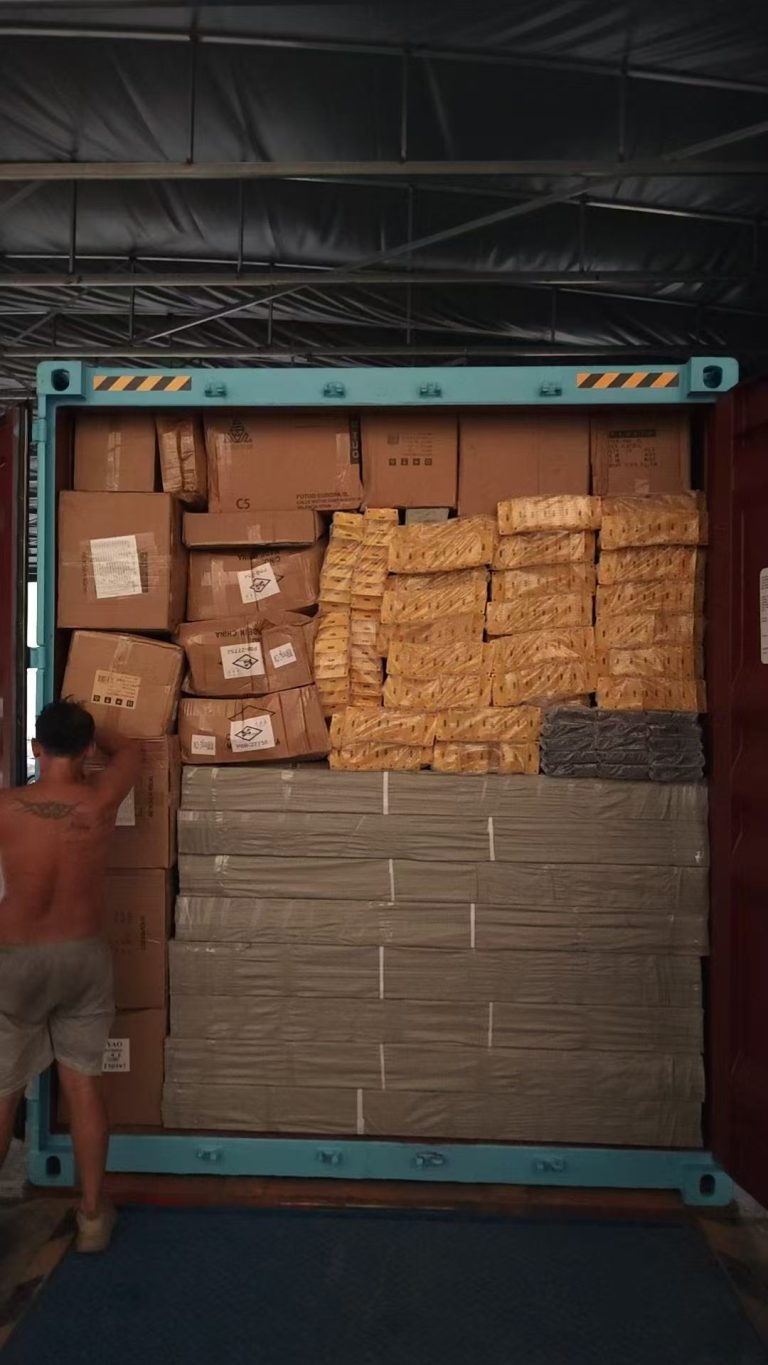
Illustrative buying scenario—not a completed customer case.
The shipment has arrived. Your customer is waiting, your warehouse has made space, and you expect to start selling. Then the first cartons are opened: some items are damaged, a finish looks different, or the quantity does not match the packing list. Suddenly, buying becomes a problem of sorting, documenting and getting answers across time zones.
The first useful question is not simply who is to blame. It is what can be established now, which goods are affected, and what evidence the supplier needs to discuss a practical response. A clear record is more useful than a long exchange of frustrated messages.
Separate the affected goods and preserve the details
Where safe and practical, keep suspect goods apart from stock ready for sale. Do not mix cartons from different deliveries before recording their labels. Photograph the unopened packaging, the outside condition and the problem items. Retain relevant packaging while the issue is being reviewed, especially where damage may be connected with handling or packing.
If the problem could affect product safety, avoid using or selling the affected goods until an appropriately qualified person has assessed the situation. Ordinary photographs cannot establish whether an electrical, structural or chemical safety requirement has been met.
Describe the mismatch against an agreed requirement
Find the order confirmation, specification version, approved sample reference and packing instructions. Replace “the quality is bad” with a description another person can check: which dimension, finish, marking, quantity or visible condition differs from what was agreed? Record the method used to check it. A measurement taken differently at each end can create an argument without identifying the actual problem.
Distinguish the number of items examined from the number received. If you opened two cartons, do not describe the whole shipment as checked. Record both the problems found and the limits of what you know. Further checking may be needed before estimating the affected quantity.
Send one organized issue summary
A supplier can respond more precisely when the order, evidence and requested action are in one place. Use a short issue sheet rather than scattering photographs across several conversations. This also makes it easier to involve a China-side coordinator without asking you to repeat the whole history.
- Order number, product and delivery date.
- Carton or batch identification and quantities received and examined.
- The agreed requirement and the observed difference.
- Clear photographs or video, with an explanation of what each shows.
- The response you need: investigation, a discussion of rework, replacement or another proposed remedy.
Contact the relevant supplier and logistics parties promptly and check the applicable notice requirements in your agreements. Do not assume that a supplier discussion automatically replaces a separate carrier or insurance notification. We cannot promise that any particular loss will be recoverable.
Compare practical responses before committing to one
A replacement may sound straightforward but still require production time and another shipment. Local rework may be quicker for some problems but unsuitable for others. Sorting may identify saleable items, yet it needs a defined method and someone responsible for the results. Ask who will arrange each step, the expected timing and how additional costs will be handled.
Keep decisions in writing. A promise to “fix it next time” does not tell you what happens to the goods already received. Nor should the next order proceed on unchanged instructions if the current issue shows that an important requirement was never clearly agreed.
Move useful checks earlier in the next order
The lesson is not that every problem can be prevented. It is that some visible mismatches, quantity issues and packing concerns can be identified before the goods travel overseas. Agree which checks are useful, where they will happen and what evidence you want to receive before dispatch. Specialist performance or material questions require suitable testing, not just a video call.
How CHAOSHUO can help
CHAOSHUO Trading can discuss supplier communication and issue coordination in China, subject to an agreed project scope. For future shipments handled at our designated warehouse, we can arrange agreed routine checks and video records of checking and packing. Identified problems are reported so you and the supplier can decide the next step before dispatch.
Send us the product type, the issue you have observed and the information you already hold. We will discuss whether local coordination, a warehouse check or separately quoted specialist support is the useful next step. Our role is practical assistance—not a guaranteed refund, compensation service or substitute for technical advice.
Practical purchasing information, not a product-specific inspection standard, legal opinion or performance guarantee. Scope, access, records and charges are confirmed for each assignment.
Put your sourcing concerns into a practical plan.
Share the product, supplier location and the question you need answered. CHAOSHUO will discuss suitable support and fees with you before work begins.